Science and the Rise of the Full-Color SVG Font
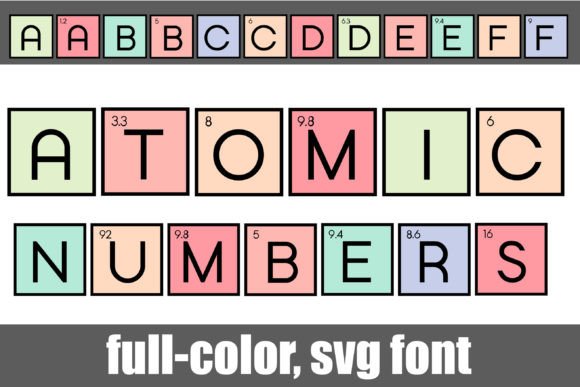
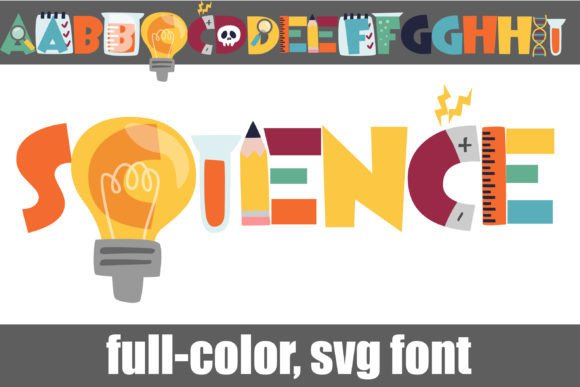
Imagine a font that doesn't just spell out words but illustrates them, embedding a beaker, a DNA helix, or an atom directly into the letterforms. This is the innovative world of the full-color SVG font, a creative asset transforming modern graphic design. For designers and brands looking to inject immediate personality and thematic depth into their work, these fonts offer a dynamic solution that traditional typography cannot match. This particular science-themed font, with its blocky, sans-serif lettering and integrated scientific objects, is a prime example of how typography can become a powerful visual storytelling tool.
What Are Full-Color SVG Fonts?
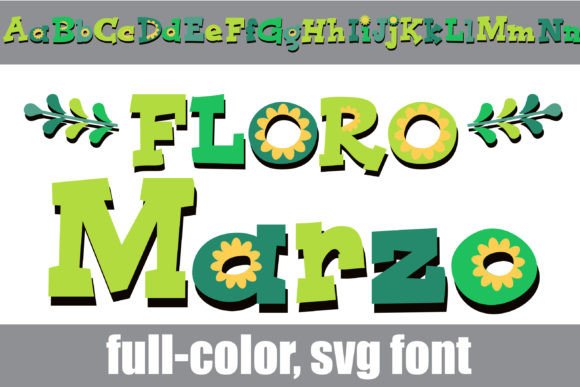
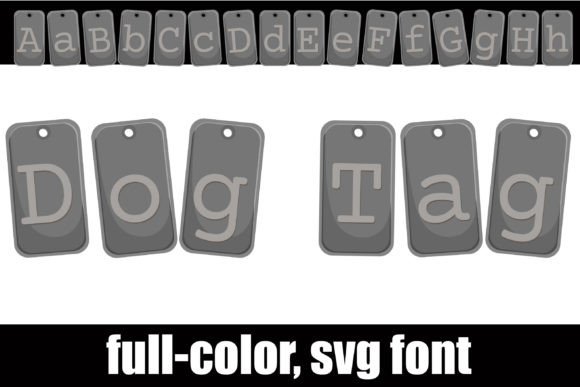
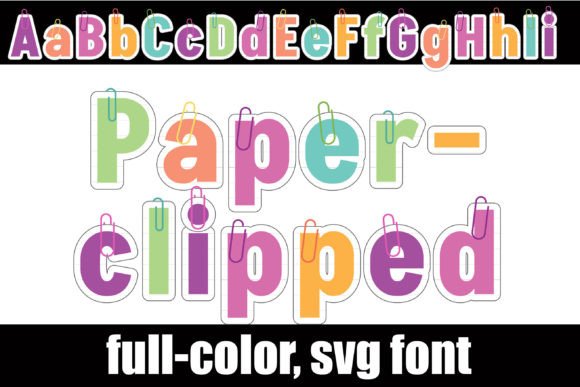
Simply put, these are color fonts that contain vector graphics, gradients, and multiple colors within a single glyph. Unlike standard OpenType fonts that rely on a single color and shape, an SVG font can hold a complete illustration. Installation is straightforward—just like any .otf file via FontBook on Mac or your preferred manager on Windows. The key is compatibility; while they may appear as solid black in non-supporting programs like older versions of Microsoft Word, they shine in modern applications. Adobe Illustrator, Photoshop, Silhouette Studio, Quark, and Inkscape fully support these creative assets, allowing you to see and utilize their full chromatic potential.
Practical Applications for Creative Projects
The versatility of a science-themed full-color font makes it invaluable across numerous design projects. Its unique aesthetic can serve as a cornerstone for visual identity or a standout accent.
- Branding and Logo Design: For educational platforms, tech startups, lab equipment suppliers, or science museums, this font provides an instant thematic connection. It can form the basis of a distinctive logo design that communicates innovation and precision.
- Marketing and Social Media: Create eye-catching social media graphics for campaign launches, educational infographics, or promotional posts. The built-in color and detail stop the scroll and increase engagement.
- Editorial and Web Design: Use it for headlines in magazines, blog posts about technology, or website hero sections to establish a modern, intellectual tone. It adds a layer of visual hierarchy that draws the eye.
- Packaging and Merchandise: Ideal for product packaging for scientific kits, educational toys, or branded merchandise like t-shirts and posters, where a bold, illustrative style is key.
Tips for Effective Implementation
While the font is visually striking, strategic use is crucial to maintain professionalism and clarity. Consider these factors to integrate it effectively into your design workflow:
- Prioritize Readability: Use it primarily for short, impactful text—logos, titles, and headers. Its complex, detailed nature can reduce readability in long paragraphs.
- Maintain Consistency: Ensure the font's style and color palette align with your broader brand identity. It should complement, not clash with, your other design elements.
- Test Compatibility: Always preview your design in the final output environment. Confirm the font displays in color where intended, especially for digital marketing materials and web design.
- Balance with Simplicity: Pair the SVG font with a clean, neutral typeface for body text. This creates a balanced visual hierarchy that is both engaging and easy to consume.
Ultimately, tools like the full-color SVG science font empower designers to push boundaries and create more expressive, memorable work. By thoughtfully selecting and applying such high-quality design assets, you can elevate your projects from merely informative to truly captivating, strengthening communication and leaving a lasting impression on your audience. In the competitive landscape of digital content, these thoughtful choices in typography and visual design are what distinguish a good design from a great one.