Strawberry Lemonade Font: A Vibrant Design Asset
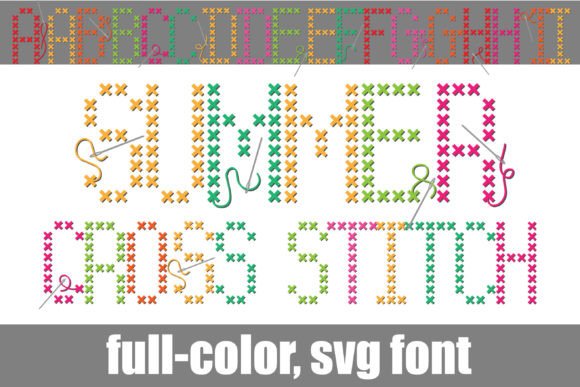
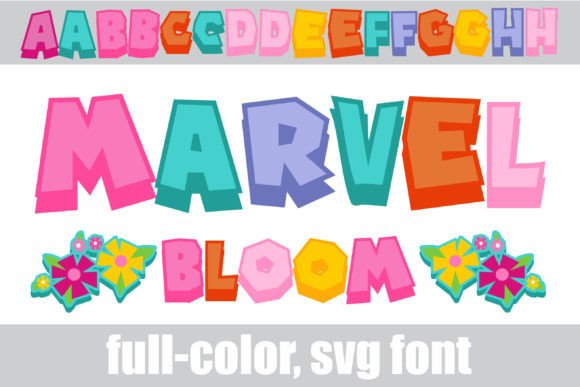
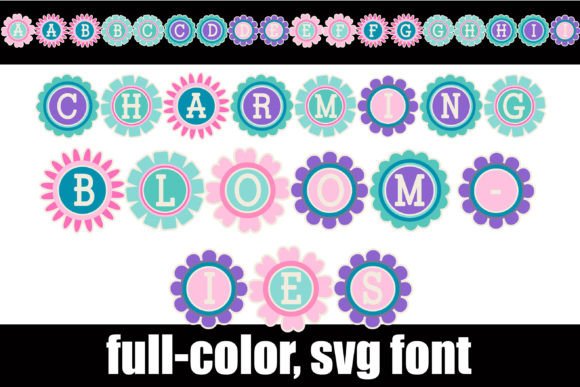
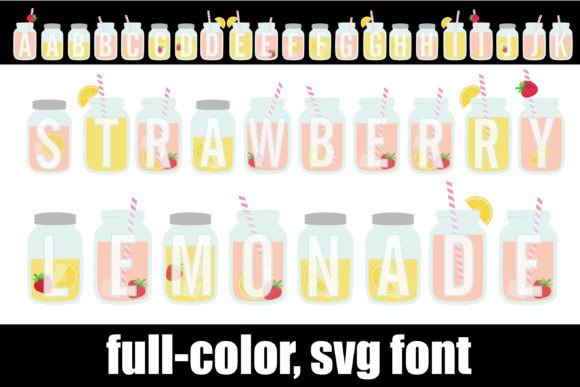
Imagine a design that instantly evokes the sweet, tangy refreshment of a summer drink, communicated purely through typography. This is the power of a specialized asset like the Strawberry Lemonade font, a full-color SVG typeface that brings playful, vibrant energy directly to your text. Moving beyond standard black lettering, this innovative font style features sans-serif characters rendered in a full palette of colors, often displayed on charming jars, making it a standout tool for modern graphic design and branding projects.
Understanding Full-Color SVG Typography
Unlike traditional fonts, OpenType full-color (SVG) fonts are installed like any standard .otf file, typically via FontBook on Mac or your preferred font manager or Control Panel on Windows. It's crucial to note that these color fonts will appear as solid black in non-compatible software. They often show as black even in the preview window of programs that do support them. You'll know your application is compatible when you type on the document and see the colors rendered. Major design platforms like Adobe Creative Suite, Silhouette Studio, Quark, and Inkscape currently support full-color SVG fonts, opening up new possibilities for visual communication.
The core value of a font like Strawberry Lemonade lies in its ability to inject personality and context into a design with a single element. Because SVG fonts are vector-based, they can be scaled to any size without losing quality, ensuring crispness from a small social media icon to a large-format banner. This makes them perfect for creating anything from simple text-based logos to complex, illustrative headlines that capture attention immediately.
Practical Applications for Creative Professionals
Integrating a unique typeface into your design workflow can elevate various projects. Here’s how a vibrant, themed font can be applied:
- Branding and Logo Design: Use it to craft a distinctive wordmark for a food brand, summer event, or children's product, instantly conveying a specific mood and color palette.
- Marketing and Social Media Graphics: Create eye-catching headlines for posters, flyers, Instagram stories, and Facebook ads that stand out in a crowded feed, boosting engagement.
- Packaging and Editorial Design: Apply it to product labels, menu designs, or magazine headlines to add a layer of whimsical, modern aesthetics that appeals to a target audience.
- Web and UI Design: Use it sparingly for hero section titles or call-to-action buttons to add a burst of energy, ensuring it aligns with the overall user experience (UX) and readability standards.
- Digital Products and Merchandise: Design memorable graphics for t-shirts, stickers, digital planners, or e-book covers, creating a cohesive and professional presentation.
Tips for Effective Implementation
When incorporating a full-color font into your work, thoughtful application is key to maintaining visual hierarchy and brand consistency.
- Evaluate Compatibility: Always test the font in your primary design software to ensure color renders correctly before finalizing your project files.
- Consider Context and Audience: Match the font's playful, summery vibe with appropriate projects. It may not suit a formal corporate report but is ideal for creative, youthful, or food-related branding.
- Pair with Simplicity: Because the font is visually loud, pair it with a clean, neutral sans-serif or serif font for body text to ensure readability and a balanced visual hierarchy.
- Test Scalability: While vector-based, review the font at various sizes to ensure the intricate color details remain clear, especially in smaller applications like UI elements.
- Align with Brand Systems: Ensure the font's color palette complements your existing brand colors or inspires a cohesive new palette for the specific campaign or product line.
Ultimately, the choice of typography is a fundamental component of visual design that directly influences perception and engagement. A carefully selected asset like a full-color SVG font is more than just a decorative element; it’s a strategic tool for storytelling and brand differentiation. By prioritizing assets that offer both aesthetic appeal and functional versatility, designers and creators can produce more compelling, professional work that resonates with their audience and achieves clear communication goals. Thoughtful design choices, supported by high-quality creative resources, are what transform good projects into great ones.