Floral Typography: Adding Vibrant Character to Your Designs
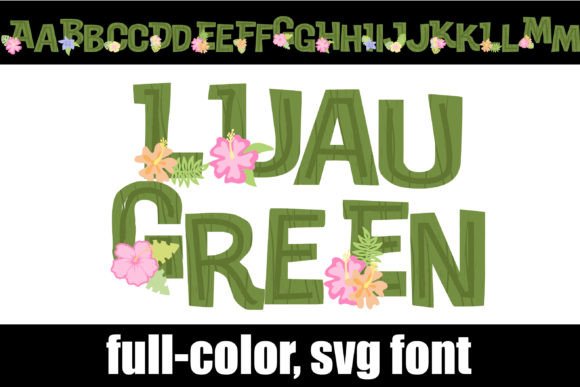
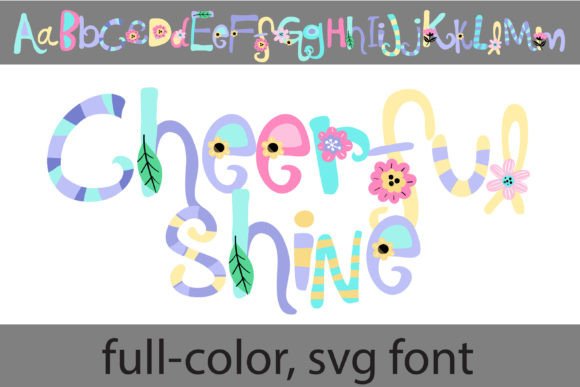
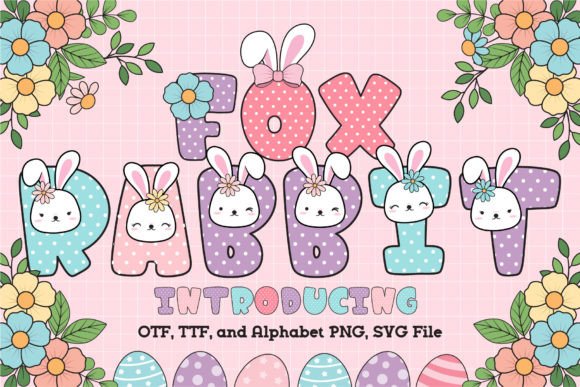
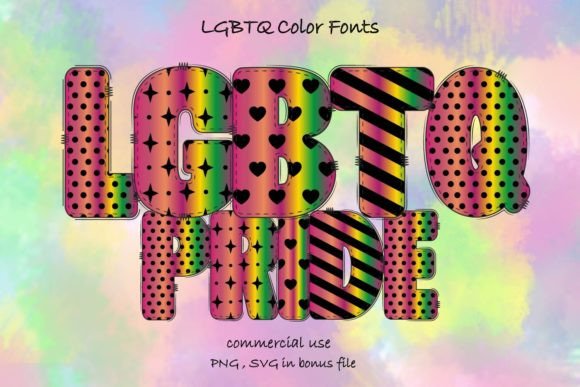
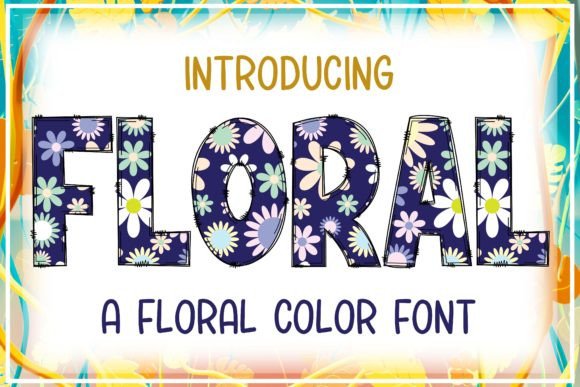
Imagine a typeface that doesn't just spell out words but paints them with personality, instantly injecting warmth and visual interest into any project. Floral is exactly that—a full-color font featuring heavy, chunky letterforms rendered in soft pastels and adorned with delicate floral accents. It's a design asset engineered to make your work stand out, transforming standard text into a captivating visual element.
What Makes Floral a Modern Design Asset?
In today's crowded visual landscape, generic typography can get lost. Floral addresses this by merging the clarity of bold lettering with the emotional appeal of color and organic shapes. This isn't just a decorative font; it's a tool for creating immediate visual hierarchy and mood. Its pastel color palette offers a contemporary, friendly aesthetic that aligns with current design trends favoring approachable and expressive visuals. For graphic designers, it represents a shortcut to adding depth and a handcrafted feel without compromising on readability or scalability.
Practical Applications Across Creative Projects
The true value of a typeface like Floral is realized in its application. Its unique character makes it versatile for numerous creative endeavors where grabbing attention is key.
- Branding and Logo Design: Use Floral for logotypes, brand marks, or taglines to instantly communicate a brand's personality as playful, artisanal, or nature-inspired. It's particularly effective for businesses in wellness, beauty, boutique retail, or eco-friendly products.
- Marketing and Social Media Graphics: Create eye-catching headlines for posters, flyers, Instagram stories, or Facebook ads. The colorful, chunky letters stop the scroll and improve engagement on visual platforms.
- Packaging and Merchandise: Elevate product labels, box designs, or merchandise like tote bags and apparel. The font's built-in detail adds perceived value and helps products stand out on shelves or in online stores.
- Editorial and Web Design: Apply it selectively to pull quotes, section headers, or feature titles in magazines, blogs, or website hero sections to break monotony and guide the reader's eye.
Tips for Effective Implementation
To leverage Floral effectively, consider these practical guidelines to ensure it enhances rather than overwhelms your design system.
- Context and Compatibility: Always test the font within your specific design software. Remember, full-color glyphs display in modern versions of Adobe Illustrator (CC 2018+), Photoshop (CC 2017+), and InDesign (CC 2019+). Older software or certain operating systems (like pre-Mojave macOS or some Windows environments) may only show a black outline version, so have a fallback plan or ensure your workflow is compatible.
- Visual Hierarchy and Pairing: Use Floral as a display font for headlines or key phrases. Pair it with a clean, neutral sans-serif or serif font for body text to maintain balance and readability. This creates a dynamic contrast where the decorative font draws interest and the simple font ensures message clarity.
- Audience and Purpose: Evaluate if the font's cheerful, floral aesthetic aligns with your project's tone and target audience. It's superb for conveying joy, creativity, and nature but might be less suitable for formal corporate communications or serious editorial content.
- Scalability and Color: Because it's a color font, consider how it will reproduce at small sizes or in monochrome. Test it at various scales. Its chunky design ensures the letterforms remain clear, but the pastel details may merge at very small sizes. For print, verify color output with your printer.
Thoughtful typography is a cornerstone of effective visual communication. Choosing a creative asset like Floral is a strategic decision that can elevate a design from mundane to memorable. By understanding its capabilities, technical requirements, and best practices for application, designers and creators can harness its power to build stronger brand identities, create more engaging marketing materials, and produce professional presentations that truly resonate. Ultimately, investing in quality creative resources is an investment in the clarity and impact of your message.