Biscuit Crisp: A Crunchy New Font for Playful Design
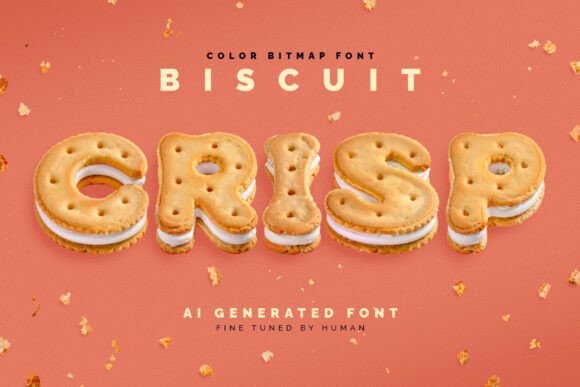
Imagine typography that doesn't just spell out words but evokes a sensory experience—the satisfying snap of a perfectly baked cookie. That's the unique charm of Biscuit Crisp, a color bitmap font where every letter is crafted to resemble a delicious sandwich cookie. This innovative asset merges whimsical visual design with practical application, offering a fresh tool for designers looking to inject personality and tactile appeal into their projects.
What Makes Biscuit Crisp a Modern Design Asset?
Born from cutting-edge generative AI technology and then meticulously fine-tuned by human hands, Biscuit Crisp represents a new frontier in typographic creativity. It’s not just a font; it's a visual element. As a color bitmap OpenType-SVG font, it functions seamlessly like any standard OTF file while delivering rich, textured imagery directly within your text layers. This technology allows for intricate detail and color gradients that traditional vector fonts cannot achieve, making it a standout choice for projects that demand a strong visual hierarchy and modern aesthetics.
The practicality of Biscuit Crisp extends beyond its novel look. The package includes full-resolution PNG files with transparent backgrounds (averaging 1500x1500 pixels), providing additional flexibility for incorporating the cookie letters into composites, mockups, or designs where font embedding isn't possible. While it currently supports English language and basic punctuation, its expressive character is universally understood in contexts that prioritize playful, engaging communication.
Practical Applications Across Creative Projects
Integrating a distinctive typeface like Biscuit Crisp can elevate various design disciplines by adding a layer of tactile nostalgia and fun. Consider these applications where its unique texture can make a significant impact:
- Branding and Logo Design: Ideal for bakeries, cafes, snack brands, or any business wanting a friendly, approachable identity. It can become the cornerstone of a memorable brand identity.
- Marketing Materials & Social Media: Create eye-catching headlines for promotions, holiday campaigns, or social media graphics that stop the scroll and increase user engagement.
- Packaging & Editorial Design: Use it for product names, special edition labels, or playful chapter headings in magazines and cookbooks to enhance the tactile reading experience.
- Web & UI Design: While best used sparingly for headlines or buttons, it can add a delightful surprise in web design, improving user experience for specific sections like a bakery's online menu.
- Digital Products & Merchandise: Design fun digital downloads, printable art, or merchandise like mugs and t-shirts where the cookie motif adds intrinsic value and charm.
Tips for Effective Implementation
To leverage Biscuit Crisp effectively, thoughtful application is key. Always consider your audience expectations and design goals. Its playful nature suits lighthearted, consumer-facing, or creative projects more than formal corporate communications.
- Ensure Readability: Use it for short, impactful headlines or call-to-action text rather than body copy. Its decorative nature can hinder legibility in long paragraphs.
- Maintain Consistency: Pair it with a clean, simple sans-serif or serif font for supporting text to maintain a balanced visual hierarchy and professional presentation.
- Check Compatibility: While supported by popular apps like Adobe Photoshop, Illustrator, InDesign, Procreate, and Affinity Designer, always test the font in your specific software environment to avoid workflow disruptions.
- Complement with Context: Use a supporting color palette that enhances the warm, baked tones of the font—think creamy whites, warm browns, or pastel accents to complete the aesthetic.
In the evolving landscape of graphic design, where differentiation and emotional connection are paramount, assets like Biscuit Crisp provide a tangible edge. It demonstrates how thoughtful typography and visual design can transform a simple message into a memorable experience. By selecting creative resources that align with your project's narrative and technical needs, you invest in design that not only looks polished but also communicates more effectively, leaving a lasting impression on your audience.